
Snake plant (Sansevieria / Dracaena trifasciata)
Upright leaves store water, so it copes with irregular watering and low to medium light — useful for hallways and rooms with little direct sun.
Short daylight in December, dry heated air from October onward, and double-glazed windows that change the light. These notes focus on plants and routines that hold up under those conditions — written in plain English for households across Germany.

Most indoor plant trouble traces back to the same handful of factors. Get these roughly right and the species choice matters far less.
A north-facing window in Hamburg delivers far less winter light than a south-facing one in Munich. Read the room's real light before buying, not the label.
Heated rooms dry topsoil quickly, but roots can still sit wet underneath. Check 2–3 cm down with a finger before watering again.
Central heating pulls indoor humidity down through the colder months. Grouping plants and keeping them off direct heat sources helps more than misting.
These four are widely sold in German garden centres and hardware stores, and they recover well from missed waterings or modest light.
Upright leaves store water, so it copes with irregular watering and low to medium light — useful for hallways and rooms with little direct sun.

Thick rhizomes hold reserves, letting it go weeks between waterings. Glossy leaves stay presentable in offices and dim corners.

A trailing vine that signals thirst by softening its leaves, making it forgiving for beginners. Grows in bright or moderate indirect light.
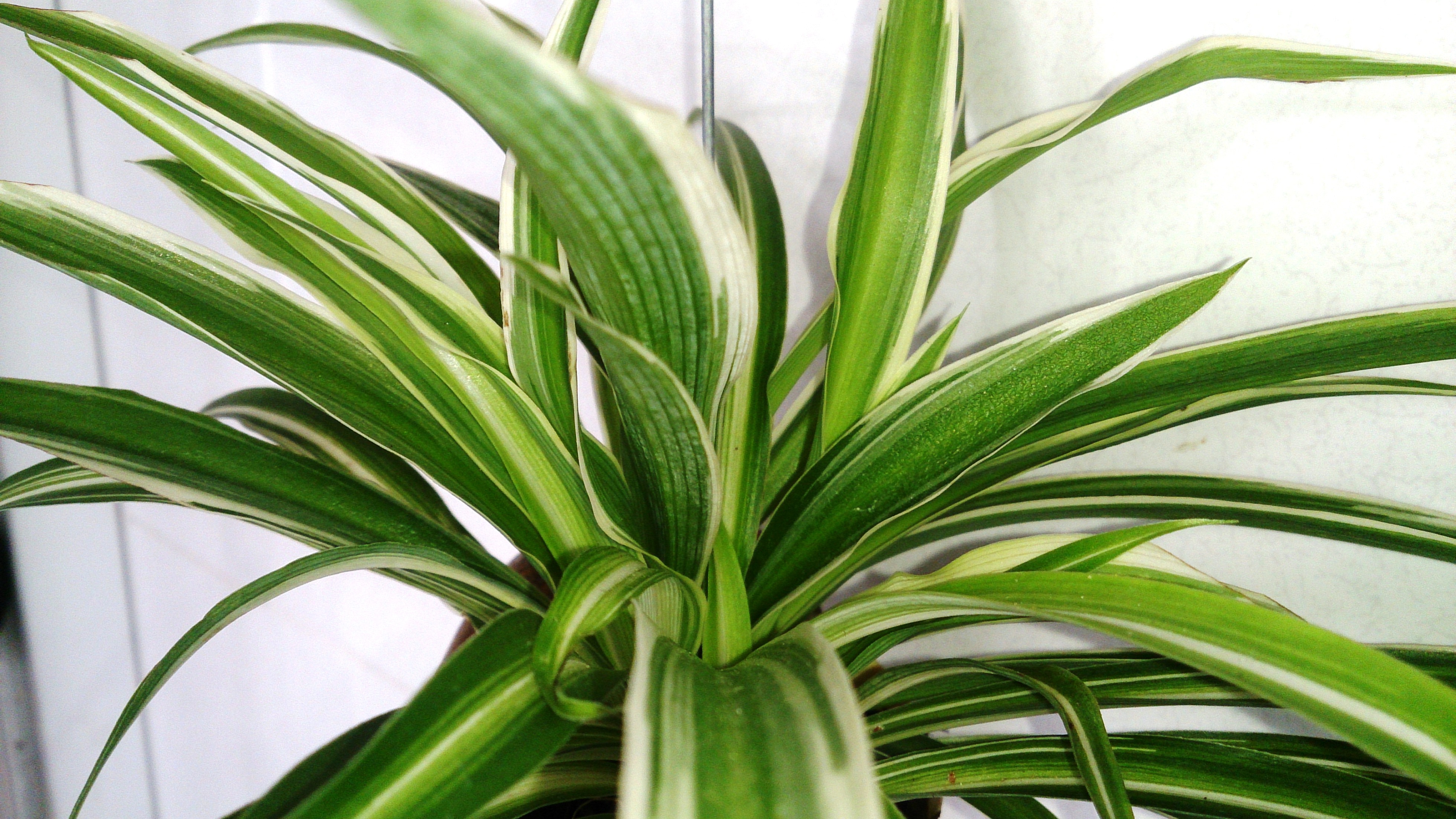
Fast-growing and easy to propagate from its plantlets. Adapts to a range of indoor light and tolerates the occasional dry spell.
Three focused walkthroughs — species selection, watering, and seasonal light.
Five resilient species and what each one tolerates.
Article 02How to set a rhythm by soil, season, and pot.
Send the species, the room orientation, and how often you water. Notes are general and informational — observe your own plant before changing its care.